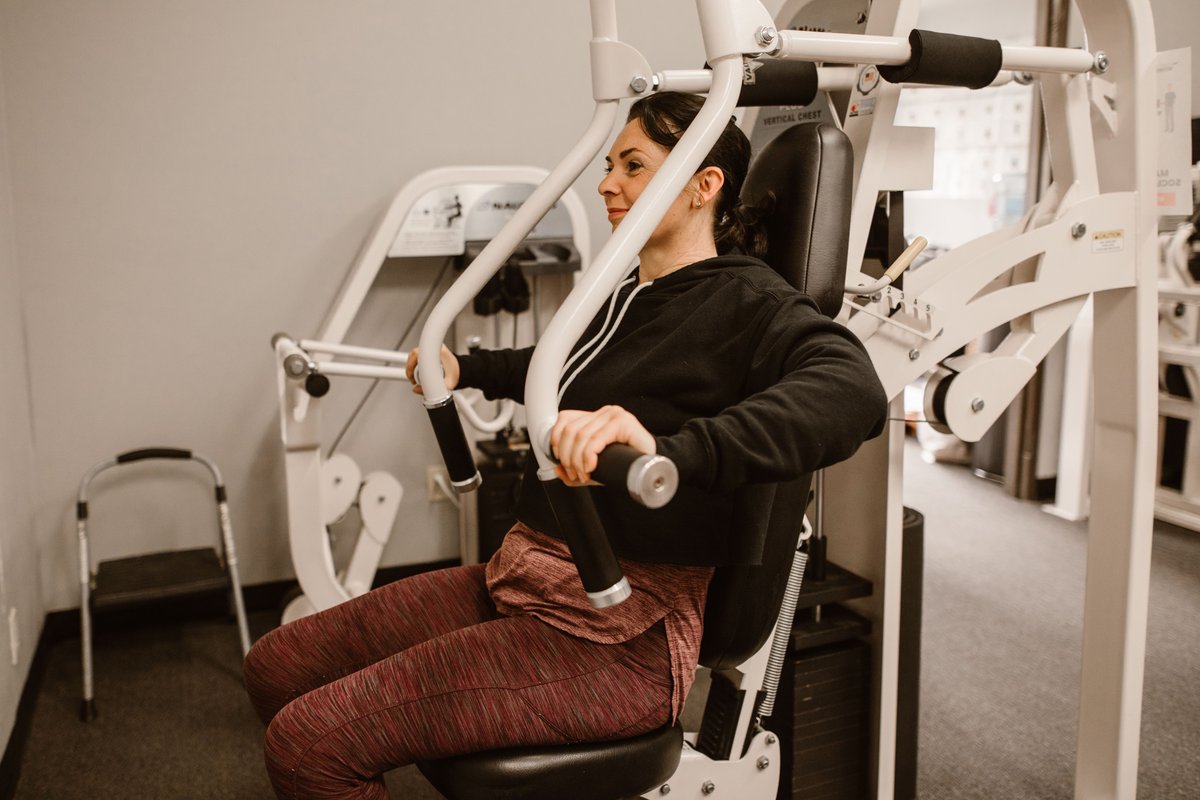
If you are looking into strength training women over 40 Ocala coaches recommend, and you are still being told to stick with light cardio and tiny pink dumbbells, you have been given outdated advice.
Strength training at this stage is not about chasing someone else’s aesthetic. It is about keeping muscle, protecting bone, supporting metabolism, moving with confidence, and staying capable for the decades ahead.
You can start now. You do not need to have lifted in your 20s. You do need a plan that respects recovery, joints, and the season of life you are in.
Why Lifting Matters More After 40
Around midlife, several shifts stack up. Muscle becomes harder to keep without resistance training. Bone density needs mechanical loading. Recovery can take longer. Hormonal changes can affect energy, sleep, and body composition.
Cardio still has value. It is not a complete plan by itself.
Strength training helps you:
- Maintain and build muscle
- Support bone health through loading
- Improve balance and stability
- Make daily tasks feel easier
- Keep conditioning work more effective
The question is not whether women over 40 should lift. The question is how to lift in a way you can sustain.
What Changes in Programming After 40
You can still train hard. Hard just needs better context.
Recovery windows matter more. Two to three quality strength sessions often beat five mediocre ones.
Technique standards rise. Your joints have less patience for sloppy reps.
Warm-ups earn their place. Jumping straight into heavy sets is a fast way to irritate tissues that needed a longer runway.
Progression gets more patient. Adding load every session is less important than adding load when form and recovery say you are ready.
Stress outside the gym counts. Work, caregiving, travel, and poor sleep all tax the same recovery budget.
A good coach programs with those realities instead of pretending you are a college athlete on unlimited recovery.
Where to Start If You Are New or Returning
Start with patterns, not random machines.
A strong foundation usually includes:
- A squat or sit-to-stand pattern
- A hinge pattern for picking things up safely
- A push pattern
- A pull pattern
- Carries for grip, core, and posture
- Single-leg work for balance and side-to-side strength
You do not need a complicated routine. You need clean repetitions and a clear progression.
If you want a broader framework for midlife strength, our post on how to build strength after 40 pairs well with this one. For later decades, strength training after 50 in Ocala covers related ground.
Core, Pelvic Floor, and Real-Life Strength
Many women over 40 are managing more than sore knees. Pregnancy history, pelvic floor concerns, diastasis considerations, and core control issues are common and worth coaching attention.
This is one reason Avery Stender’s role matters at KB Fitness. As Director of Fitness Operations, Avery has a physical therapy background and specializes in functional strength, injury prevention, core and pelvic floor health, and adaptive and inclusive fitness. She also has experience helping runners build durability and helping female clients build strength and trust in their bodies.
That does not mean every session becomes clinical. It means your program can account for pressure management, symptoms, and smart exercise swaps instead of ignoring them.
If something feels off during lifting, say so early. Adjustments are normal. Pushing through warning signs is not a badge of honor.
A Sample Week That Respects Recovery
This is an example structure, not a prescription:
- Day 1
- Squat pattern, push pattern, row variation, carry, short mobility finish
- Day 2
- Rest, walks, easy movement
- Day 3
- Hinge pattern, single-leg work, overhead or landmine press variation if tolerated, pull-down or assisted pull pattern, core anti-rotation work
- Day 4
- Rest or light conditioning
- Day 5 optional
- Shorter full-body session or group training once fundamentals feel solid
Two days can be enough to start. Three days is a sweet spot for many. Add conditioning in doses that do not flatten your strength sessions.
Weights, Protein, and the Fear of “Bulking”
Women often worry that lifting will make them bulky. Building large amounts of muscle is a slow, deliberate process that requires substantial training stimulus, recovery, and nutrition. It is not what happens by accident after a few months of sensible strength work.
What usually happens instead:
- Better muscle tone and shape over time
- Improved strength in daily life
- More confidence under load
- Better support for body composition goals when paired with sustainable nutrition
Protein intake and sleep support the training. You do not need perfection. You do need enough fuel to recover. Extreme restriction plus hard lifting is a common way to feel exhausted and stalled.
Common Mistakes Women Over 40 Make in the Gym
Staying in the too-light zone forever. If every set feels easy and never progresses, you are practicing movement but not driving adaptation.
Copying high-intensity trends without a base. Jumping into advanced metabolic workouts before you own basic patterns creates flare-ups.
Ignoring lifting because of an old injury. Smart regressions exist. Avoidance shrinks your options.
Changing programs weekly. Give a plan enough time to work.
Treating rest days like failure. Recovery is part of the program.
Going alone when feedback would help. A few months of coaching can install skills that protect you for years.
Personal Training vs Group Training for This Stage
Personal training is usually the best on-ramp if you are new to lifting, returning after a long break, managing injuries, or rebuilding core and pelvic floor confidence. You get real-time form coaching and a plan built around your body.
Group training can be a strong next step once you know your movements and want community energy with coaching still present. KB Fitness group sessions are small-group and coach-led, not giant classes where form disappears in the crowd.
Many women use both over time: one-on-one to build the foundation, group sessions to keep momentum.
Strength Training Women Over 40 Ocala: What Local Coaching Looks Like
At KB Fitness, the coaching team is Kameron Stender and Avery Stender. Kameron, the owner, has spent a decade helping people build sustainable habits and lasting strength. Avery leads fitness operations with a movement-quality and injury-prevention focus that fits midlife training especially well.
Sessions are goal-driven and tracked. The point is measurable progress you can feel in real life: carrying groceries, traveling more easily, playing with kids or grandkids, riding, running, or simply trusting your body again.
Recovery Habits That Make Strength Training Stick
The gym session is only half the adaptation. After 40, the other half deserves as much attention.
Helpful defaults:
- Sleep like it is part of training, because it is
- Eat enough protein across the day rather than chasing one huge dinner
- Walk on non-lifting days to keep stiff days from stacking up
- Use deload weeks when sleep, stress, or soreness climb together
- Treat persistent joint pain as information, not an identity
You do not need a perfect wellness routine. You need enough recovery that next week’s sessions still feel available.
If life is especially full, protect the lifting days and simplify everything else. Two protected strength sessions with decent sleep will outperform a complicated plan you cannot recover from.
What Progress Can Look Like in the First 90 Days
Progress is not only the number on the dumbbell.
In the first few months, many women notice:
- Sit-to-stand and hinge patterns feel more controlled
- Groceries, luggage, and yard work feel less taxing
- Confidence under a barbell or dumbbell improves
- Energy after sessions feels productive instead of wrecked
- Old “I am not a weights person” story starts to fade
Body composition changes can come too, especially with consistent training and nutrition that supports your goals. They usually lag behind strength and confidence. That lag is normal. Keep the process long enough to see it.
FAQ
Do I need to be in shape before I start lifting?
No. Strength training is how you build the capacity. Start where you are.
How heavy should I go?
Heavy enough that the last few reps are challenging while form stays solid. If you could do many more reps, the load is probably too light for strength goals.
What if I have osteoporosis risk or joint issues?
You may still be a candidate for strength training, but you need appropriate exercise selection and possibly clinician input. Tell your coach everything up front.
Can I keep my walking or run training?
Often yes. The plan should balance impact, recovery, and strength so one does not cancel out the other.
Start Building Strength That Serves the Next Decades
Strength training after 40 is one of the highest-return habits you can build. Done well, it supports your body without requiring an extreme lifestyle.
If you are ready to start with coaching that fits your season of life, use the Get Started page, call or text (352) 502-9052, or visit KB Fitness at 2506 SE 17th Street, Unit B, Ocala, FL 34471.


