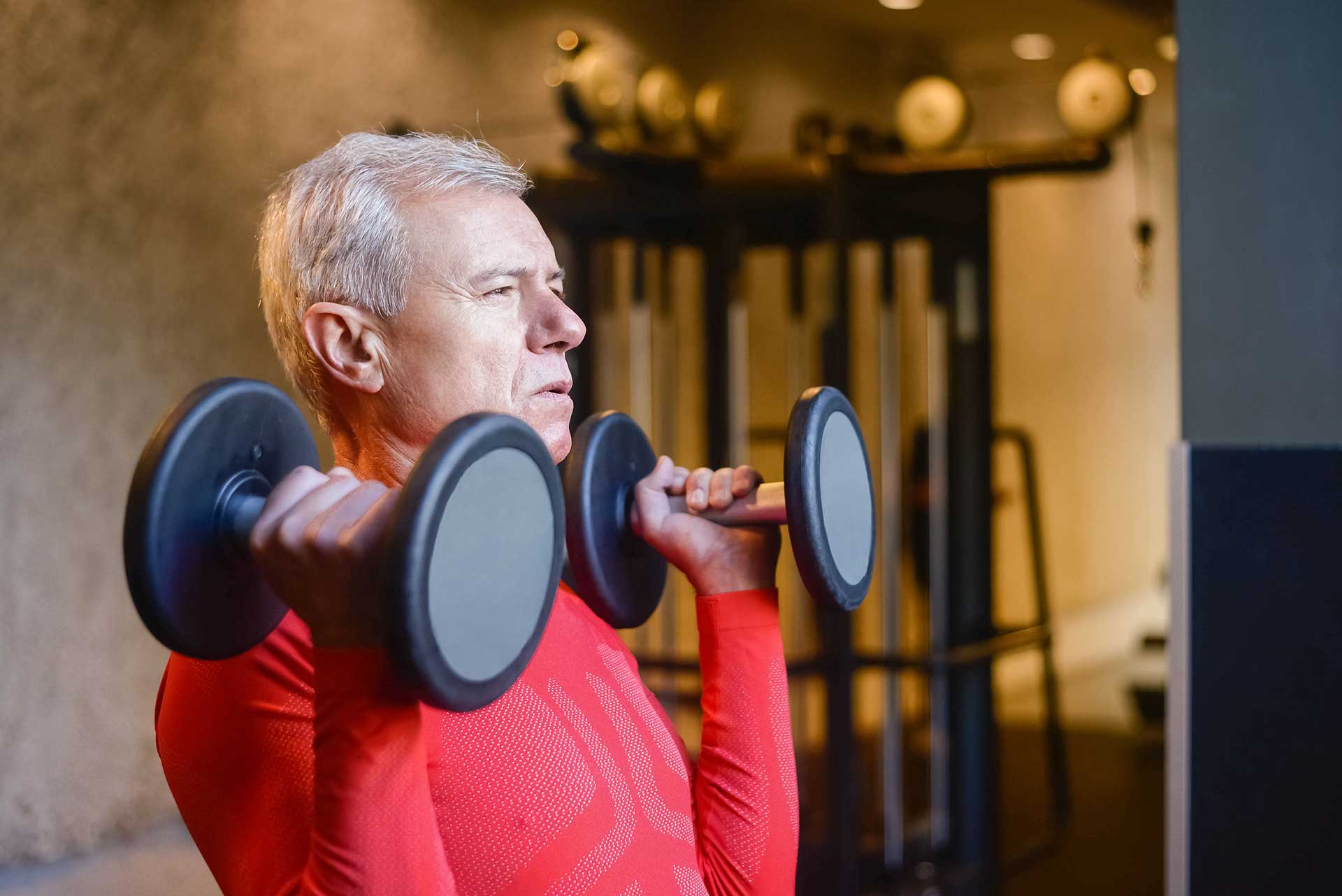
If you are over 50 and have never lifted weights, or have not touched them in decades, you might assume that ship has sailed. It has not.
Strength training after 50 is not about chasing personal records or looking like a fitness model. It is about carrying your own groceries, getting up off the floor without help, keeping up with grandkids, playing another 20 years of golf or pickleball, and staying independent as long as possible.
Marion County has one of the most active 50-plus populations in Florida. Plenty of people here walk, swim, golf, and ride. Far fewer do the one thing that protects all of it: building and keeping muscle. Here is a practical place to start.
Why Strength Matters More After 50
Starting somewhere in adulthood, most people slowly lose muscle mass and strength every year unless they actively work to keep it. The decline speeds up later in life. Bone density follows a similar path, especially for women after menopause.
Less muscle and weaker bones show up in everyday life:
- Stairs get harder
- Getting up from a low chair or the floor takes effort
- Balance gets shakier
- Joints ache more because the muscles around them are not doing their job
- A minor fall becomes a major injury
The good news is that muscle responds to training at any age. People who start strength training in their 50s, 60s, and beyond can build real strength, improve balance, support bone health, and move with more confidence. The body still adapts. It just needs the right signal.
Walking, swimming, and cycling are excellent for your heart. They are not enough on their own to maintain muscle and bone. You need resistance.
Before You Start: Get Cleared
If you have heart disease, high blood pressure, diabetes, osteoporosis, a joint replacement, or any other significant health condition, talk to your doctor before beginning a new exercise program. Ask specifically about strength training. Most doctors will be glad to hear it.
Then tell your coach everything. Medications, surgeries, old injuries, the shoulder that clicks, the knee that swells after long walks. A good coach builds around these, not through them.
Start With Movement Patterns, Not Machines
The most useful strength program after 50 is built around the movements you do every day. Master these and everything else gets easier.
Squat: Sitting and Standing
Every time you get in and out of a chair or a car, you are squatting. Start with a box or bench squat: sit down to a sturdy surface under control, then stand back up. As you get stronger, lower the surface or add light weight.
Hinge: Picking Things Up
Bending at the hips with a flat back is how you should lift anything off the floor. Learning to hinge protects your lower back. Start with a hip hinge using a dowel along your spine, then progress to a light kettlebell deadlift from an elevated surface.
Push: Pushing Yourself Up
Pushing builds the strength to get up off the floor and push open heavy doors. Start with wall push-ups, then progress to an incline on a bench or countertop.
Pull: Posture and Shoulder Health
Most of us spend the day rounded forward over phones, steering wheels, and keyboards. Rowing movements strengthen the upper back and help posture. Start with band rows or a supported dumbbell row.
Carry: Real-World Strength
Carrying groceries, luggage, or bags of mulch is a full-body exercise. Holding moderate weights at your sides and walking builds grip, core stability, and posture all at once.
Balance
Single-leg work, heel-to-toe walking, and controlled step-ups train the balance that helps prevent falls. Start next to a wall or rail for support.
How Often and How Hard
Frequency: Two to three strength sessions per week is plenty to start. Give yourself at least a day between sessions for the same muscles.
Intensity: You should finish each set feeling like you could have done two or three more reps with good form. That is the sweet spot. Not easy, not all-out.
Progression: Increase slowly. Add a rep or two, then a little weight, then a little more. Small, steady progress over months is what builds lasting strength.
Recovery: Expect to need more recovery than you did at 30. Sleep, protein, and hydration matter more, not less.
Ocala-Specific Tips
Training in Central Florida comes with its own considerations:
- Heat and hydration. Even if you train indoors, our humidity means you lose fluid fast. Drink water before you arrive and sip throughout. Some medications affect how you handle heat, so ask your doctor.
- Use the climate. Most of the year, you can walk outside. Pair your strength sessions with easy walks at places like Tuscawilla Park, the Ocala-Marion County greenway trails, or around your neighborhood on cooler mornings.
- Pair strength with your sport. If you golf, ride horses, or play pickleball, strength training directly improves your performance and protects you from the overuse injuries those sports are known for.
Common Mistakes to Avoid
Starting too heavy. Ego is the enemy. Light weights with perfect form build the foundation.
Skipping the warm-up. Spend five to ten minutes moving before you load anything. Older joints and tissues need more prep.
Only doing machines. Machines have their place, but they do not train balance and coordination the way free-standing movements do.
Pushing through sharp pain. Muscle effort and mild soreness are normal. Sharp, pinching, or joint pain is not. Stop and adjust.
Training without a plan. Random workouts lead to random results. A structured program with progression is what works.
Should You Work With a Coach?
You can absolutely start on your own. But after 50, the risks of poor form, too much too soon, or working around an injury incorrectly go up. A coach shortens the learning curve and keeps you safe while you build confidence.
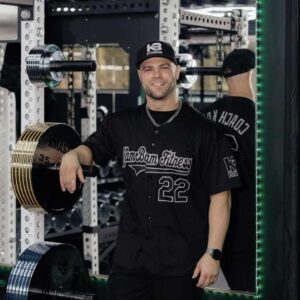
At KB Fitness, Avery Stender brings a background in physical therapy and specializes in functional strength, injury prevention, and long-term movement quality. She also has extensive experience with adaptive and inclusive fitness populations and with core and pelvic floor health, which matters for many women in this age group. Kameron Stender has spent 10 years coaching clients at every level and builds programs focused on sustainable habits and lasting results.
There are two ways to start:
- Personal Training: One-on-one coaching built entirely around your body, your history, and your goals. The best option if you have injuries, health conditions, or simply want full attention while you learn.
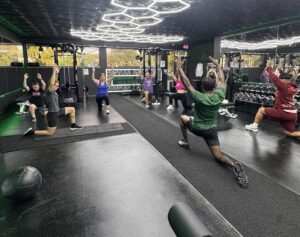
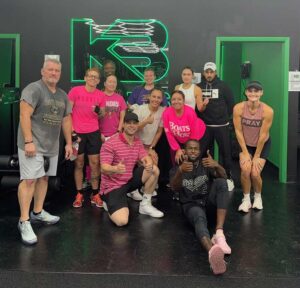
- Group Training: Small group sessions with coached strength and conditioning. A great option once you have the fundamentals down and want the energy and accountability of training with others.
Many clients start one-on-one to build a foundation, then add or move into group sessions.
It Is Not Too Late
The best time to start strength training was 20 years ago. The second best time is this week. Your body still responds. You just have to give it a reason to.
Your first session at KB Fitness is free, with no obligation. We will talk through your health history, assess how you move, take you through a coached sample, and send you home with a written plan built around what your body can do right now.
Call or text (352) 502-9052, or stop by the studio at 2506 SE 17th Street, Unit B, Ocala.
KB Fitness
2506 SE 17th Street, Unit B, Ocala, FL 34471
(352) 502-9052 | kameron.stender@kambamfitness.com
This article is for general information and is not medical advice. Consult your physician before starting a new exercise program.