The first month is where most people quit.
Not because training is too hard, but because nobody told them what to expect. They get sore and assume something is wrong. They do not see changes in the mirror and assume it is not working. They miss a week and assume they have blown it.
If you are looking for an Ocala gym for beginners, or you are about to walk into one for the first time, here is an honest week-by-week look at what your first month really feels like. Knowing what is coming makes it a lot easier to stick with.
Before Week One: Gym Anxiety Is Normal
Almost everyone feels some version of it. Worried about not knowing what to do. Worried about being watched. Worried about being the least fit person in the room.
Here is what helps:
- Have a plan before you walk in. Wandering is what makes people feel exposed. A coach removes that problem entirely.
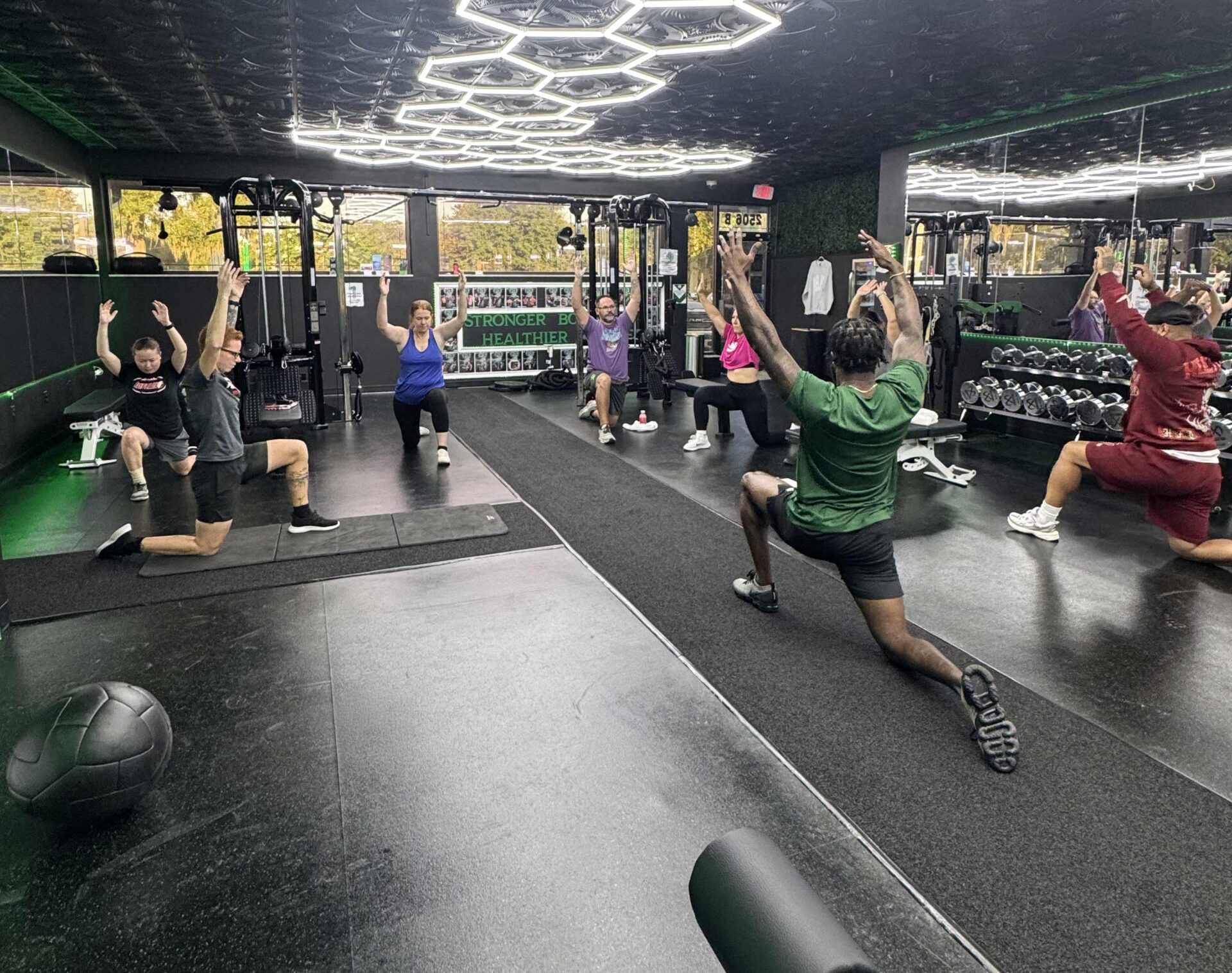
- Choose an environment built for beginners. A coached studio feels very different from a crowded big box floor at 6 p.m.
- Remember nobody is looking at you. Everyone else is focused on their own workout.
At KB Fitness, your first session is one-on-one with a coach. You will not be thrown onto a gym floor to figure it out.
Week One: Learning and Soreness
What it feels like: Everything is new. You are learning how to squat, hinge, push, and pull correctly. Your coach is giving you a lot of cues, and it can feel like a lot to think about at once.
Then, a day or two after your first sessions, you get sore. Probably sore in places you did not know you had muscles.
What is actually happening: That soreness is called delayed onset muscle soreness, and it is completely normal when you start something new. It peaks around 24 to 72 hours after training and fades on its own. It is not a sign of injury, and it is not a measure of how good the workout was.
What to do:
- Keep moving. Light walking helps more than sitting still.
- Drink more water than you think you need, especially in Florida humidity.
- Get good sleep.
- Show up to your next session anyway. Gentle training on sore muscles often helps them recover faster.
What to watch for: Sharp pain, joint pain, or swelling is different from soreness. Tell your coach about anything that feels wrong.
Week Two: The Motivation Dip
What it feels like: The novelty wears off. The soreness is less intense, but you are not seeing any changes yet. Life starts competing for your time. This is the week you are most likely to talk yourself out of a session.
What is actually happening: Your body is adapting, just not in ways you can see yet. Your nervous system is getting better at recruiting muscle and coordinating movements. That is why exercises start to feel smoother this week, even if the weights have not changed much.
What to do:
- Treat sessions like appointments, not options. Put them on your calendar.
- Focus on showing up, not on results. Consistency is the only goal right now.
- Notice small wins. Did a movement feel easier? Did you need fewer cues?
This is where having a coach expecting you pays for itself. It is a lot harder to skip when someone is waiting for you.
Week Three: Things Start to Click
What it feels like: Movements that felt awkward two weeks ago now feel natural. Your coach is cueing less and adding a little more weight or another rep. Soreness has mostly settled into a manageable baseline.
Many people notice they have more energy during the day and are sleeping better.
What is actually happening: Early strength gains are coming fast now. Much of it is still coordination and technique, but it is real progress. You are lifting more than you did on day one.
What to do:
- Pay attention to your numbers. Tracking weight and reps shows progress the mirror does not.
- Start building one habit outside the gym. More water, an extra serving of protein, a 10-minute walk after dinner. Just one.
- Ask your coach questions. This is a good time to start understanding the why behind your program.
Week Four: Confidence and Real Momentum
What it feels like: You know the routine. You walk in with less hesitation. Training has gone from something you have to force into something you mostly look forward to.
You might notice clothes fitting a little differently, or stairs feeling easier, or carrying groceries in one trip.
What is actually happening: You have built the foundation. Movement patterns are solid, your body has adapted to training stress, and you have proven to yourself that you can be consistent for a month. That last part is the most important result of all.
What to do:
- Reassess with your coach. Look at where you started versus where you are now.
- Set your next goal. What does month two and month three look like?
- Recognize what you did. Most people who start do not make it here.
What Real Progress Looks Like in Month One
Be realistic about what changes in four weeks. You will probably see:
- Better form and coordination on every movement
- Noticeable strength increases, often significant for true beginners
- More energy and better sleep
- Improved mood and confidence
- Easier daily movement, like stairs, getting up from the floor, and carrying things
You might see:
- Small changes in how clothes fit
- Some scale movement, though it often fluctuates early
You probably will not see:
- Dramatic body transformation. That takes months of consistency, not weeks.
If you judge month one by the mirror alone, you will be disappointed. Judge it by how you feel and what you can do.
The Biggest Mistakes Beginners Make
Doing too much too soon. Five hard days a week in week one leads to burnout or injury by week three. Two to three sessions is plenty.
Changing everything at once. New workout, strict diet, 5 a.m. wake-ups, no sugar. That is too many changes. Build one habit at a time.
Comparing yourself to others. The person next to you has a different body, history, and starting point.
Quitting after a missed week. Missing a week is not failing. Not coming back is. Just show up to the next session.
Why a Coach Makes Month One Easier
Most of what makes the first month hard is uncertainty. What should I be doing? Am I doing it right? Is this soreness normal? Is this working?
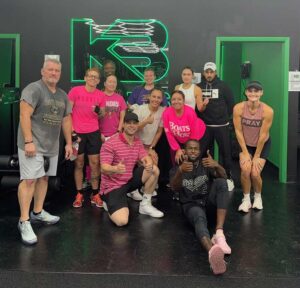
A coach answers all of those questions in real time. At KB Fitness, Kameron and Avery build a plan around where you are starting, teach you the movements properly, adjust when something does not feel right, and track your progress so you can actually see it.
That is why we start every new client with one-on-one personal training. It gives you the foundation to make month one a success instead of a false start.
Start Your First Month Right
Your first session at KB Fitness is free, with no obligation. You will talk with a coach about your goals, go through a movement assessment, try a coached workout, and leave with a written plan for your first month.
Book on our Get Started page or call or text (352) 502-9052.
KB Fitness
2506 SE 17th Street, Unit B, Ocala, FL 34471
(352) 502-9052 | kameron.stender@kambamfitness.com