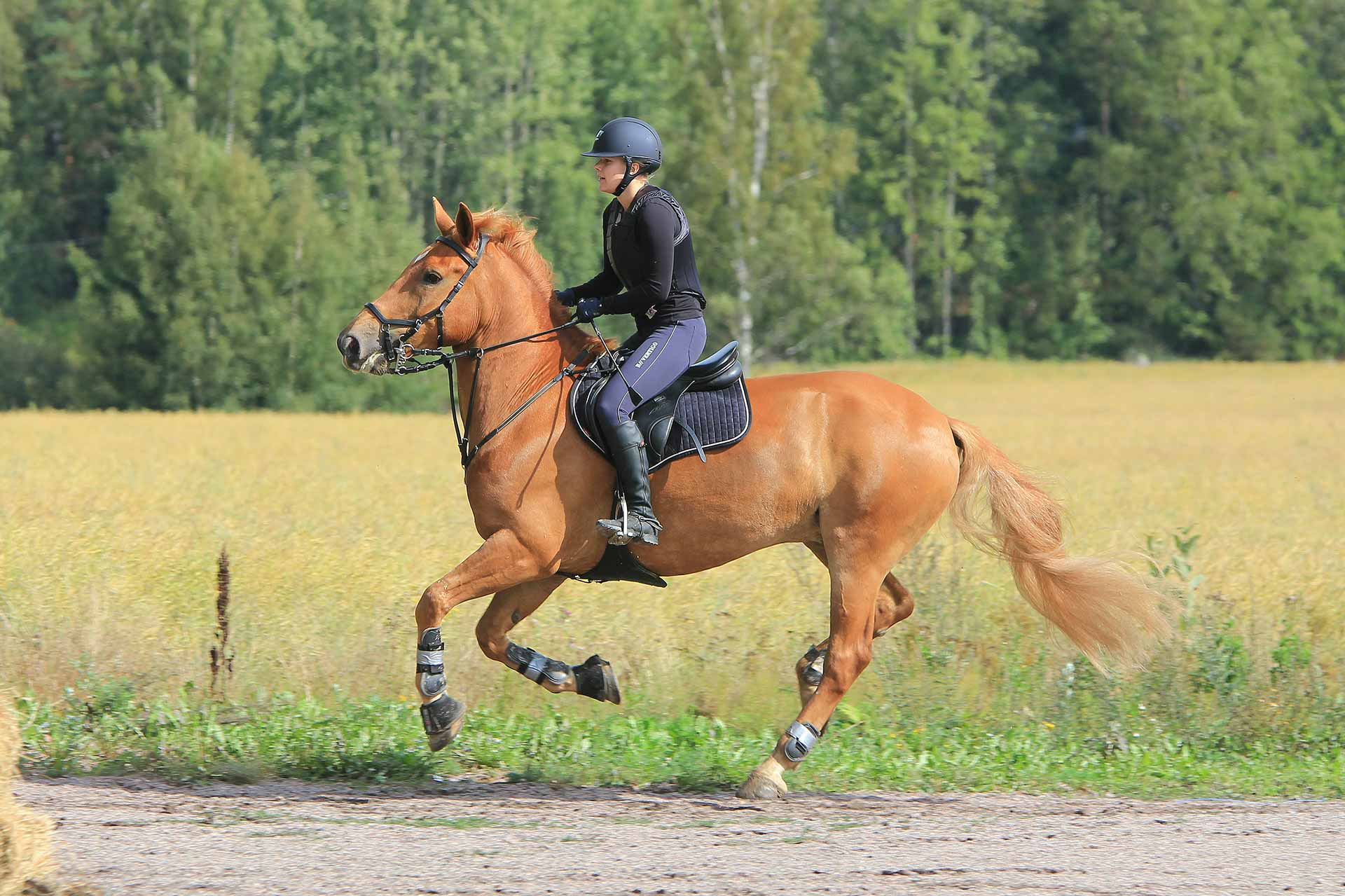
Tight hips, restricted ankles, stiff shoulders. These mobility limitations don’t just make you uncomfortable. They directly interfere with your riding effectiveness, create compensation patterns that lead to injury, and limit your ability to communicate clearly with your horse.
Most riders recognize they’re tight. Few do anything systematic about it. Random stretching when you remember doesn’t create lasting change. You need deliberate, daily mobility work targeting the specific restrictions riding creates and requires.
Here are the essential mobility drills every equestrian should practice daily, with guidance on proper execution and why each matters for your riding.
Why Riders Need Daily Mobility Work
Riding creates specific movement patterns and positions your body holds repeatedly. You mount from the left side. You sit asymmetrically in the saddle. You hold reins predominantly in certain patterns. Your hips remain in sustained positions for hours weekly.
These repetitive positions create adaptive tightness. Your body becomes efficient at the ranges of motion you use regularly and restricted in ranges you avoid. This is normal adaptation, but it creates problems for riding effectiveness.
Tight hip flexors limit your ability to sink into your seat and move with your horse’s motion. Restricted ankle mobility interferes with proper heel position and limits your shock absorption capacity. Stiff shoulders create tension that transfers down through your arms into hard hands.
Daily mobility work maintains the range of motion riding requires and prevents the progressive tightness that limits performance and creates injury risk over time.
The key word is daily. Mobility improvement requires frequent, consistent practice. One long stretch session weekly doesn’t create change. Five to ten minutes daily does.
Hip Flexor Stretch (Couch Stretch Variation)
Why it matters: Hours in the saddle keep your hips in flexed position. This creates adaptive shortening in your hip flexors, which then limits your ability to extend your hip, sink your seat, and move with your horse’s stride.
How to perform:
- Position yourself in front of a wall or couch
- Place one knee on ground close to wall, shin resting against wall vertically
- Step forward foot forward into lunge position
- Maintain upright torso (avoid leaning forward)
- Squeeze glute of back leg to increase hip extension stretch
- Hold 90 to 120 seconds per side
Common mistakes: Allowing lower back to arch excessively (this compensates for tight hip flexors rather than stretching them). Keep torso upright and core engaged.
Progression: Once you can hold good position for 2 minutes, add gentle rocking forward and back or side to side to explore different angles.
When to do it: Daily, ideally before riding. This position directly counters the hip flexion riding creates.
90/90 Hip Stretch
Why it matters: This drill addresses hip internal and external rotation simultaneously, both critical for proper leg position, sitting trot, and lateral movements. Most riders have asymmetric hip mobility; this stretch reveals and addresses those imbalances.
How to perform:
- Sit on floor with front leg bent 90 degrees (knee in line with hip)
- Back leg also bent 90 degrees, rotated away from body
- Both knees should form 90 degree angles
- Sit upright, hands on floor for support if needed
- Hold position, breathing into areas of tightness
- Gently shift weight forward and back to explore different angles
- Switch sides
Common mistakes: Allowing torso to lean excessively to compensate for tight hips. Stay relatively upright. Also watch for excessive compensation through lower back rotation.
Progression: Work toward getting both knees closer to floor on both sides. Most riders will find one side significantly tighter than the other, revealing asymmetries affecting your riding.
When to do it: Daily, 60 to 90 seconds per side minimum. This is foundational hip mobility work for riders.
Ankle Mobility Drill (Wall Ankle Mobilization)
Why it matters: Proper heel position and shock absorption during posting requires adequate ankle dorsiflexion (bringing shin toward toes). Restricted ankles force compensation patterns that create knee or hip stress.
How to perform:
- Face wall, standing arm’s length away
- Place one foot forward, heel on ground
- Keep heel planted and drive knee forward toward wall
- Your knee should touch wall if you have adequate mobility
- Hold 2 to 3 seconds, repeat 10 to 15 times per side
- Gradually move foot further from wall to increase demand
Common mistakes: Allowing heel to lift off ground (this defeats the purpose). Keep weight through heel throughout the movement.
Progression: Measure how far from wall your toes can be while knee still touches wall. Improving this distance over weeks indicates mobility improvement.
When to do it: Daily, especially pre-ride. Also valuable as warm-up before any training involving squats or lunges.
Thoracic Spine Rotation (Quadruped T-Spine Rotation)
Why it matters: Stiff mid-back (thoracic spine) forces rotation to come from your lower back or shoulders, creating dysfunction that transfers into hard hands and rigid upper body position while riding.
How to perform:
- Start on hands and knees
- Place one hand behind head
- Keep opposite hand planted on ground
- Rotate upper body, bringing elbow toward planted hand
- Then rotate opposite direction, opening chest toward ceiling
- Perform 8 to 10 controlled rotations per side
Common mistakes: Allowing hips to rotate (this reduces thoracic rotation). Keep hips stable, focusing movement in mid-back only.
Progression: Work toward greater rotation range, particularly on your tighter side. Most riders have one direction significantly more restricted.
When to do it: Daily, particularly beneficial as pre-ride warm-up or post-ride recovery.
Shoulder CAR (Controlled Articular Rotation)
Why it matters: Stiff, restricted shoulders create tension that travels down your arms into tight, hard hands. Full shoulder mobility allows soft, following contact while maintaining proper upper body position.
How to perform:
- Stand or sit with arms at sides
- Slowly raise one arm forward, then up overhead
- Continue rotation, moving arm back and down behind you in full circle
- Control movement throughout entire range
- Perform 3 to 5 slow rotations per direction, each arm
Common mistakes: Rushing the movement or allowing torso to compensate for shoulder restrictions. Move slowly and control the entire rotation.
Progression: Work toward smoother, larger circular motion with less compensation through torso or neck.
When to do it: Daily, particularly valuable before riding or upper body training.
Adductor (Groin) Rock Back Stretch
Why it matters: Tight adductors (inner thigh muscles) limit your hip range of motion and create gripping patterns that interfere with independent leg aids and proper seat.
How to perform:
- Start on hands and knees
- Extend one leg out to side, keeping it straight
- Rock back toward heel of bent leg
- You should feel stretch along inner thigh of extended leg
- Hold 30 to 45 seconds, perform gentle rocking motion
- Switch sides
Common mistakes: Allowing extended leg to bend (reduces stretch). Keep it straight. Also watch for excessive arching or rounding in lower back.
Progression: Work toward deeper rock-back position over time, increasing stretch intensity gradually.
When to do it: Daily, especially beneficial post-ride when muscles are warm.
Glute Stretch (Figure-4 Stretch)
Why it matters: Tight glutes and hip external rotators create lower back compensation and limit your ability to achieve proper leg position and pelvic alignment in the saddle.
How to perform:
- Lie on back, both knees bent, feet flat on floor
- Cross one ankle over opposite knee (creating figure-4 shape)
- Thread hands behind thigh of uncrossed leg
- Pull thigh toward chest until you feel stretch in hip/glute of crossed leg
- Hold 60 to 90 seconds per side
Common mistakes: Pulling too aggressively, creating tension rather than relaxed stretching. Use gentle, sustained pull.
Progression: Work toward bringing knee closer to chest while maintaining relaxed breathing and position.
When to do it: Daily, particularly effective as cool-down after riding or training.
Cat-Cow Spinal Flow
Why it matters: This movement maintains spinal mobility and awareness of neutral spine position, critical for maintaining proper position through transitions and movements on your horse.
How to perform:
- Start on hands and knees, spine neutral
- Inhale, allow belly to drop toward floor while lifting chest and tailbone (cow position)
- Exhale, round spine toward ceiling, tucking tailbone and dropping head (cat position)
- Flow smoothly between positions for 8 to 10 cycles
Common mistakes: Rushing the movement or forcing extreme ranges. Move smoothly and rhythmically, coordinating with breath.
Progression: Work toward smoother transitions and greater awareness of spinal positioning throughout the movement.
When to do it: Daily, excellent as general warm-up or post-ride recovery sequence.
Creating Your Daily Routine
You don’t need to spend an hour on mobility work. A focused 10-minute routine done consistently creates better results than sporadic long sessions.
Option 1: Pre-Ride Routine (8 to 10 minutes)
- Hip flexor stretch: 90 seconds per side
- Ankle mobilization: 10 reps per side
- Thoracic rotation: 8 reps per side
- Shoulder CARs: 3 rotations each direction, both arms
- Cat-cow: 8 cycles
Option 2: Post-Ride Routine (10 to 12 minutes)
- 90/90 hip stretch: 90 seconds per side
- Adductor rock back: 45 seconds per side
- Figure-4 glute stretch: 90 seconds per side
- Hip flexor stretch: 90 seconds per side
- Cat-cow: 8 cycles
Option 3: Off-Day Routine (12 to 15 minutes)
- All of the above drills, holding positions longer
- Focus on your personally tightest areas with extra time
The specific routine matters less than consistent daily practice. Even 5 minutes daily creates more improvement than 30 minutes once weekly.
Mobility vs. Flexibility: Understanding the Difference
Mobility is active control through a range of motion. Flexibility is passive range of motion. Riders need both, but mobility is more important.
You can have flexible hamstrings (passive) but lack the strength and control to use that range effectively (mobility deficit). Or you might have poor passive flexibility but good mobility within your available range.
These drills emphasize controlled mobility, active movement through ranges of motion riding requires, rather than passive static stretching. This transfers better to actual riding demands.
When to Progress and How to Measure Improvement
Track your mobility progress objectively:
Hip flexor stretch: Can you maintain upright torso position with less support? Can you hold the position longer with less discomfort?
90/90 hip stretch: Are your knees getting closer to floor? Is the position feeling less asymmetric between sides?
Ankle mobilization: Can your foot be further from wall while knee still touches?
Thoracic rotation: Is your range of motion increasing? Is movement smoother?
Progress in mobility work looks like:
- Positions feeling less uncomfortable over time
- Achieving greater range of motion
- Improved symmetry between left and right sides
- Better ease during riding
Improvement timelines vary. Some people notice changes within 2 to 3 weeks of daily practice. Others need 6 to 8 weeks of consistent work. Patience and consistency matter more than intensity.
Common Mistakes in Mobility Work
Mistake #1: Inconsistent practice
Mobility work requires daily consistency. Sporadic long sessions don’t create lasting change.
Mistake #2: Pushing too aggressively
Mobility work should feel like gentle pulling/stretching, not pain. Aggressive stretching creates protective tension rather than relaxation.
Mistake #3: Holding breath
Breathing facilitates relaxation and deeper stretching. Breathe normally throughout all positions.
Mistake #4: No warm-up
Mobility work is more effective when performed after light movement (5 to 10 minute walk, easy cycling) rather than completely cold.
Mistake #5: Only stretching tight areas
Balanced mobility requires maintaining ranges you already have, not only working on restrictions.
Integrating Mobility with Strength Training
Mobility and strength work together. Flexibility without strength creates unstable joints. Strength without mobility limits movement options and creates compensation patterns.
If you’re following a strength training program alongside riding, coordinate your mobility work:
- Pre-workout: dynamic mobility focusing on movements you’ll perform
- Post-workout: longer holds on stretches, focusing on areas you just trained
- Off days: comprehensive mobility work addressing riding-specific restrictions
At KB Fitness, we integrate mobility work directly into riding-specific strength programs. You don’t need separate mobility sessions; it’s built into the training structure.
Make Mobility Non-Negotiable
Daily mobility work isn’t optional if you want to maintain and improve your riding effectiveness long-term. Ten minutes of focused practice prevents the progressive tightness that limits performance and creates injury risk.
These eight drills address the primary mobility demands and restrictions equestrian athletes face. Done consistently, they’ll improve your position, enhance your aids, and support long-term riding health.
KB Fitness designs mobility and strength programs specifically for Ocala’s equestrian community. We understand what riders need and how mobility work supports performance in the saddle.